
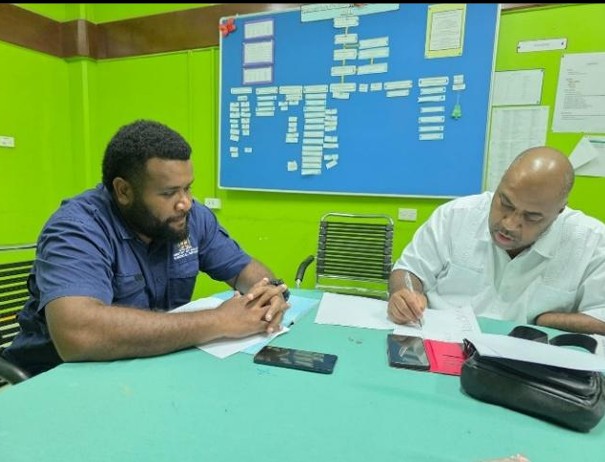
The WISH-Pacific team has reached a significant milestone in its mission to safeguard public health and environment. Following an intensive “ground-truthing” exercise across the Wainimala, Wainibuka, and Rewa River catchments, 11 communities have been officially selected for the SAPPHIRE programme and the Acute Febrile Illness (AFI) Surveillance Study. This wasn’t just a paper-shuffling exercise. The three-day mission involved deep-dive consultations and technical assessments to ensure the program reaches the areas where it can make the most impact.
Collaborative Success on the Ground
The selection process was a masterclass in partnership. Working alongside the Naitasiri Provincial Council Office and Ministry of Health and Medical Services (MOHMS) teams from Vunidawa, Nakorosule, and Laselevu, the WISH-Pacific team combined local wisdom with technical data.
The mission, which took place in February 2026, focused on verifying demographic and environmental data to ensure the project’s “due diligence” was rock solid. By visiting government stations and health facilities, the team was able to cross-reference reports and record precise GPS coordinates for the identified sites.
From 29 to 11: The Selection Criteria
While 29 communities were initially screened on February 27, 2026, the field verification conducted from February 9–11 (and finalized on February 23) narrowed the list to 11 strategic sites.
Why these 11? The team utilized a strict set of technical criteria to justify the selection:
- Population Density: Ensuring enough households for robust socio-economic baseline surveys.
- Disease Prevalence: Preliminary data from Vunidawa Hospital and Nakorosule Health Centre highlighted significant AFI cases in these areas.
- Environmental Risk: Proximity to major river systems was vital to study how effluent runoff contributes to Leptospirosis, Typhoid, Dengue, and Diarrhea (LTDD).
- Water Safety: A common factor among these sites is their reliance on untreated water sources, making them high-priority for health interventions.
- Logistics: Proximity to health facilities ensures the pilot surveillance and community awareness programs can be managed effectively.
What’s Next?
The selection is just the beginning. The WISH-Pacific team is now shifting gears to prepare for the Free, Prior, and Informed Consent (FPIC) process. This ensures that the heart of the project, the community is fully engaged and informed before activities begin.
The upcoming phases include:
- Presenting the final list to the Research and Steering Committees.
- Launching formal FPIC consultations with the 11 selected villages.
- Finalizing the operational roadmap for AFI surveillance.