


Watershed Interventions for Systems Health – Pacific (WISH Pacific)
Why watershed management matters?
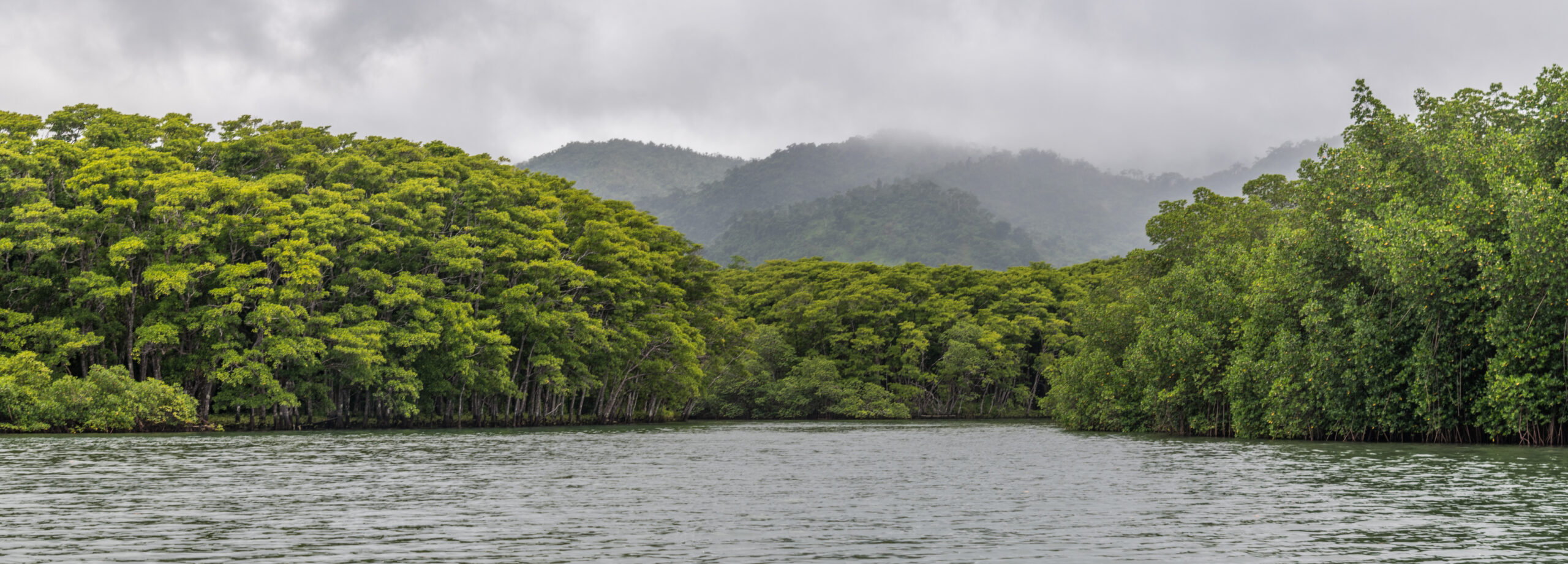
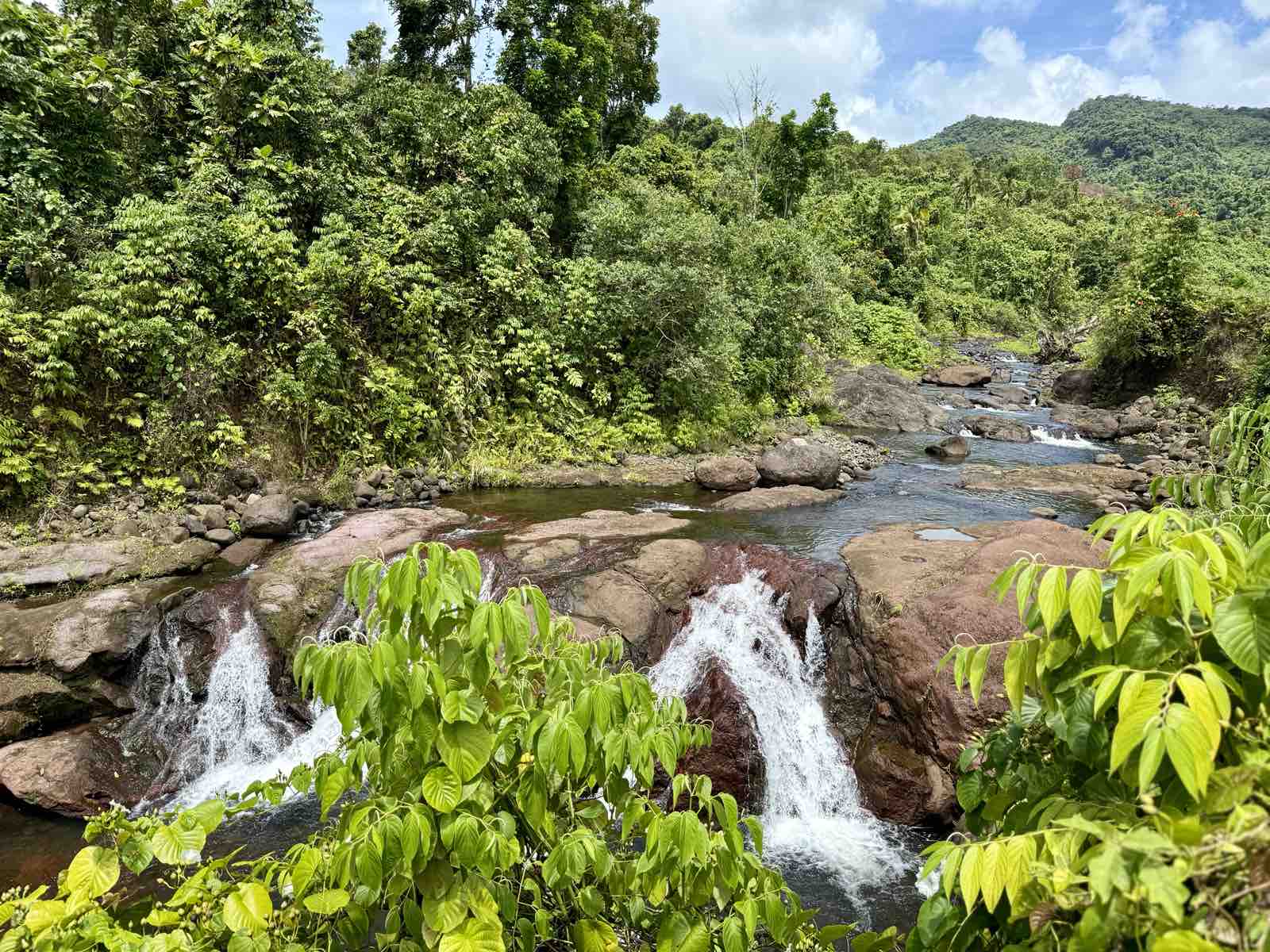
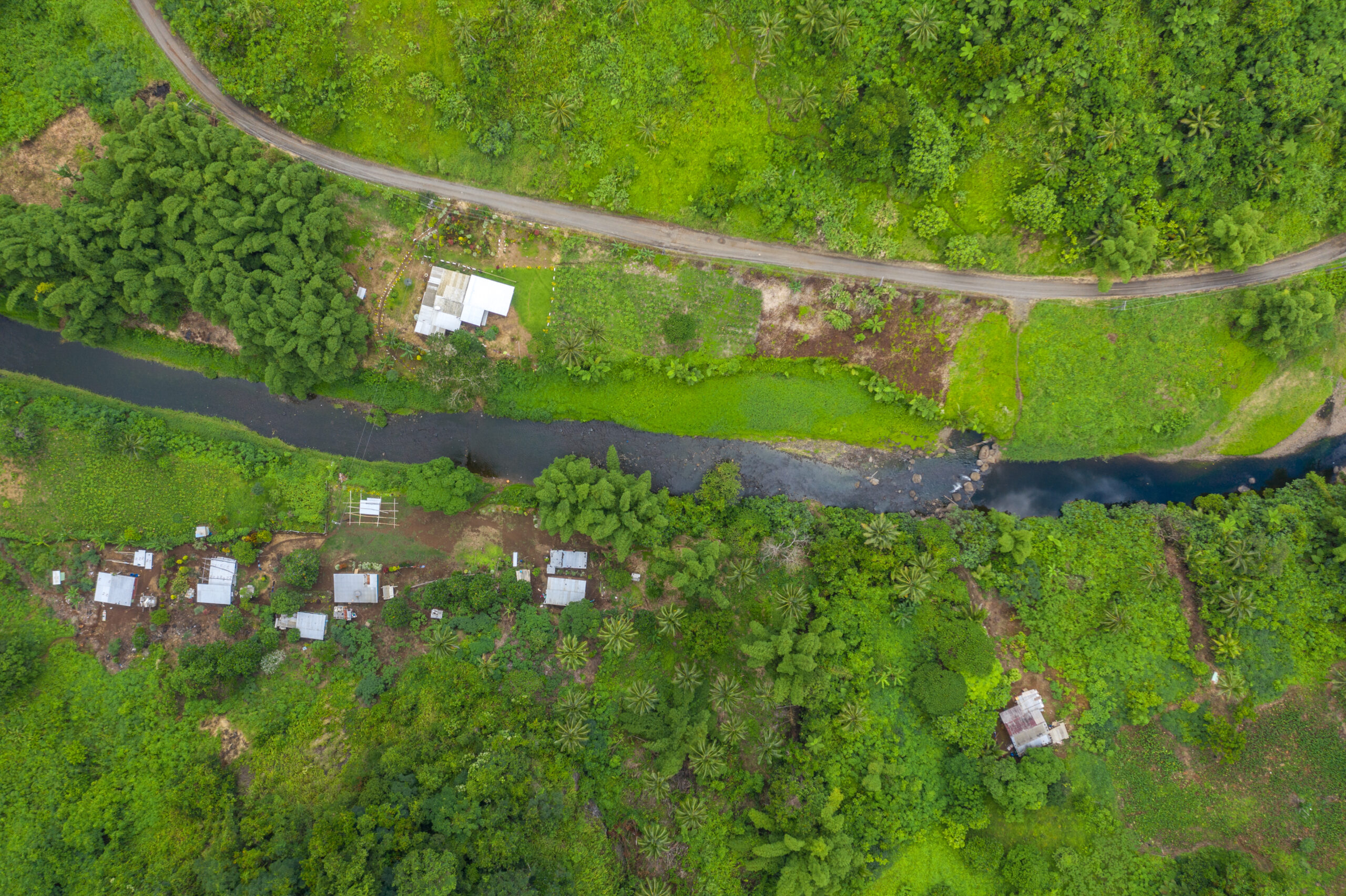
The condition of ecological watersheds affects the health of people and the downstream environments in which they live. Higher incidences of water-related bacterial diseases like typhoid and leptospirosis occur within watersheds that have large tracts of cleared land and higher densities of livestock accessing waterways. In addition, watershed alterations that promote flooding and standing water can accelerate mosquito-borne dengue transmission within rural communities. These same activities increase the amounts of sediments and nutrients entering waterways, with devastating impacts on freshwater and coastal coral reef ecosystems and thus the food, livelihoods and cultural practices of local people. Targeted watershed interventions and water management practices reduce water-related disease risk, improve downstream ecosystem condition and support overall system health.
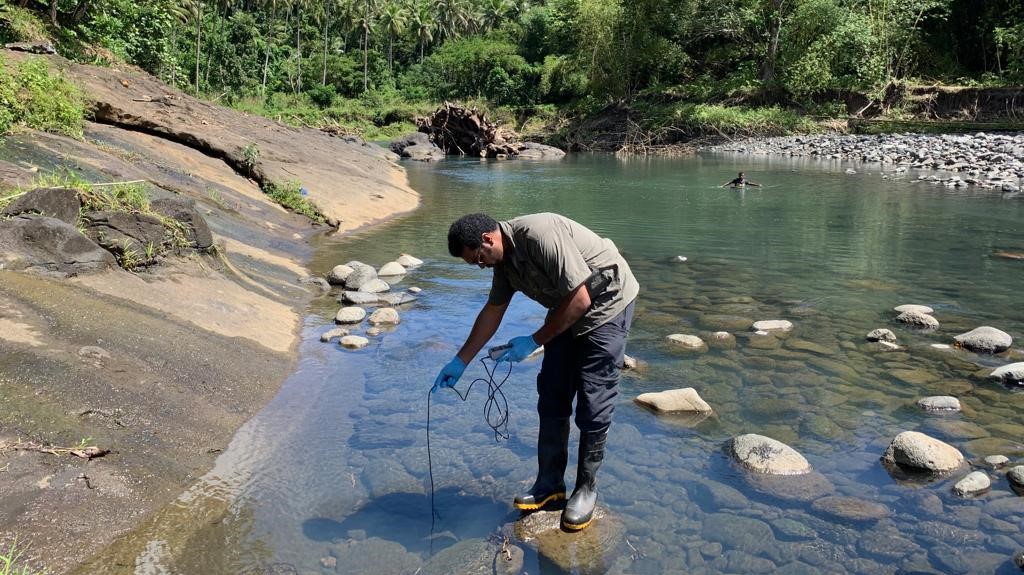
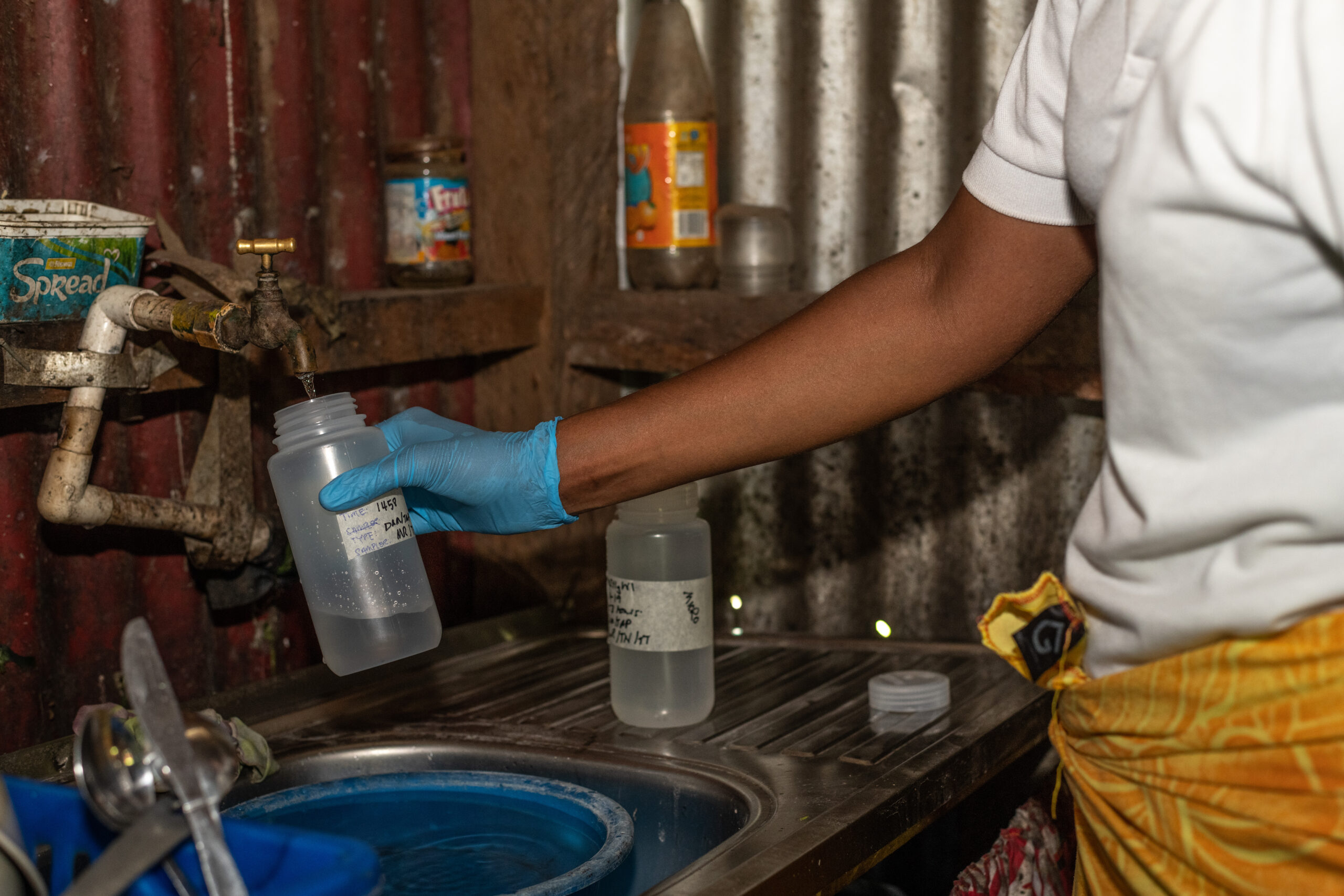
The Watershed Interventions for Systems Health project embraces this integrated approach, working with national and local government, rural communities and the commercial sector to reduce infection risk and improve health and well-being within five river sub-catchments areas in Fiji. We are transforming action from reactive to preventative, improving the ability of integrated systems to predict, prevent, respond and recover from water-related infectious diseases and natural disasters.
The WISH Pacific Team
Learn more about the team.
Interventions
Learn more about our interventions.
VIDEO
Learning about the WISH Fiji Project with Dr. Stacy Jupiter
VIDEO
WISH Fiji Project Mid-Term Review Workshop Reflection
VIDEO
Watershed Interventions for Systems Health Approach Documentary
-
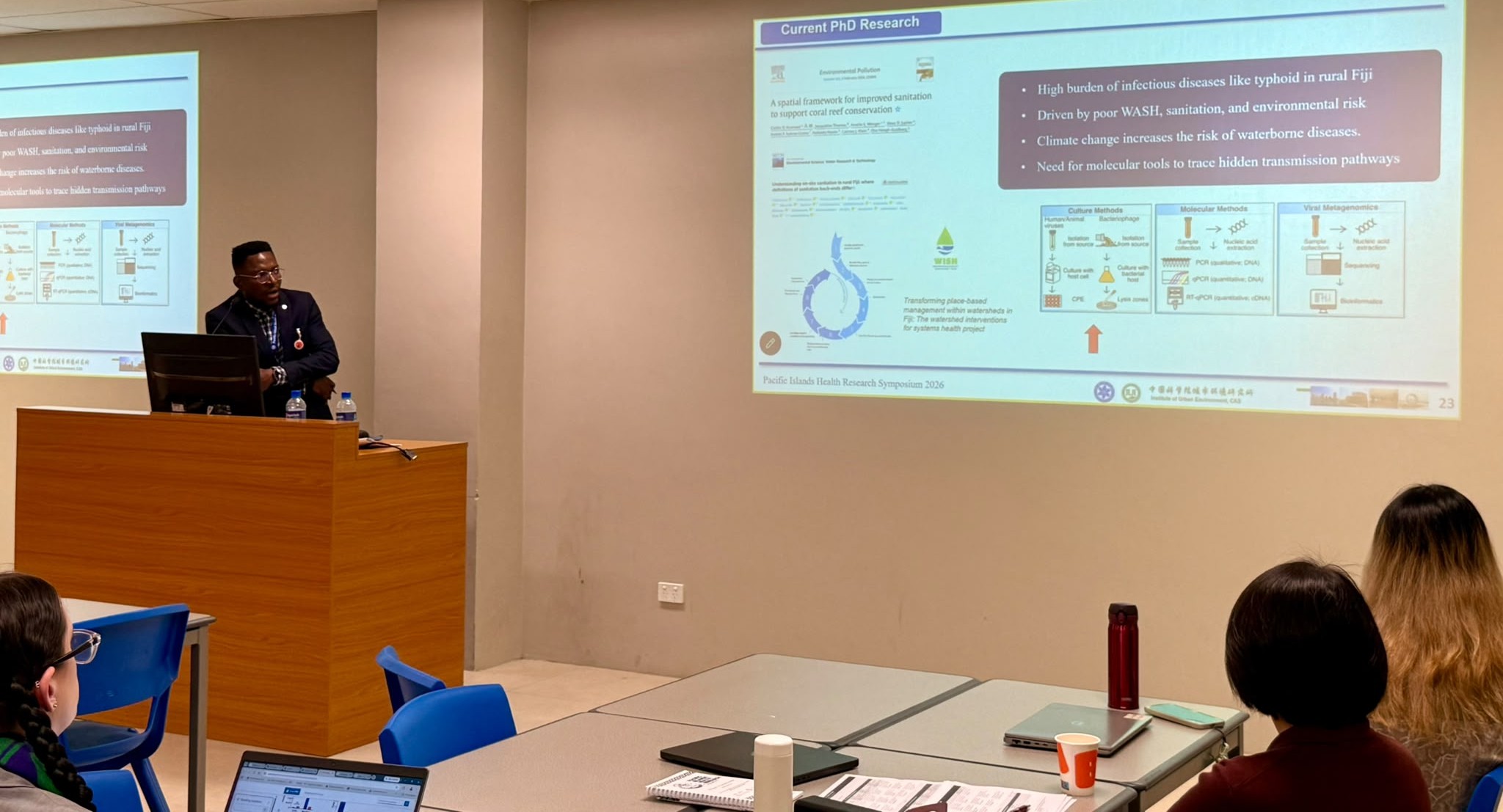
Research Reveals Hidden Pathways of Gut Viruses
New research into how viruses are transported within the human gut could provide valuable insights into disease transmission and environmental health across Pacific Island Countries (PICs). Alex Obeten, originally from Nigeria and currently a Doctor of Philosophy (PhD) student at the University of Sydney in Australia, presented his research at the Pacific Islands Health Research…
-
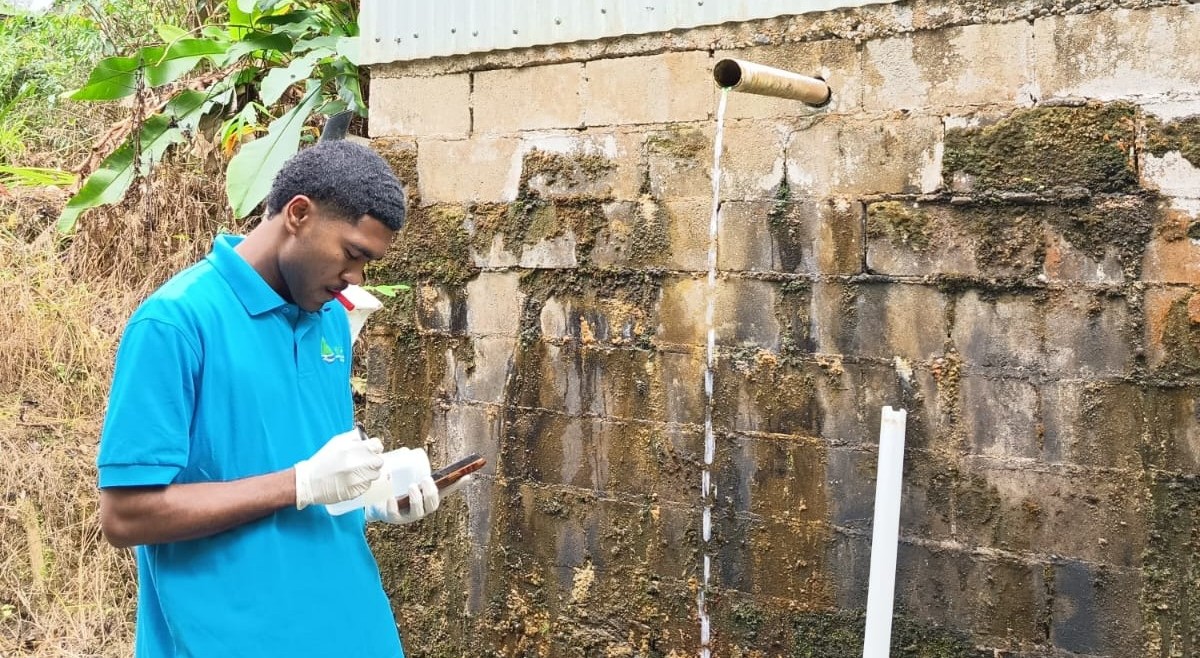
Turning Consent into Action: Baseline Survey vital for Mid-Rewa Watershed
Following the Free, Prior, and Informed Consent (FPIC) process across 11 Mid-Rewa Watershed communities in Naitasiri, the WISH Pacific project launched its baseline survey in late July with full community support. The survey explores how human-driven environmental changes impact community health, zeroing in on local concerns around Leptospirosis, Typhoid, Dengue, and Diarrhea (LTDD). This integrated…
-
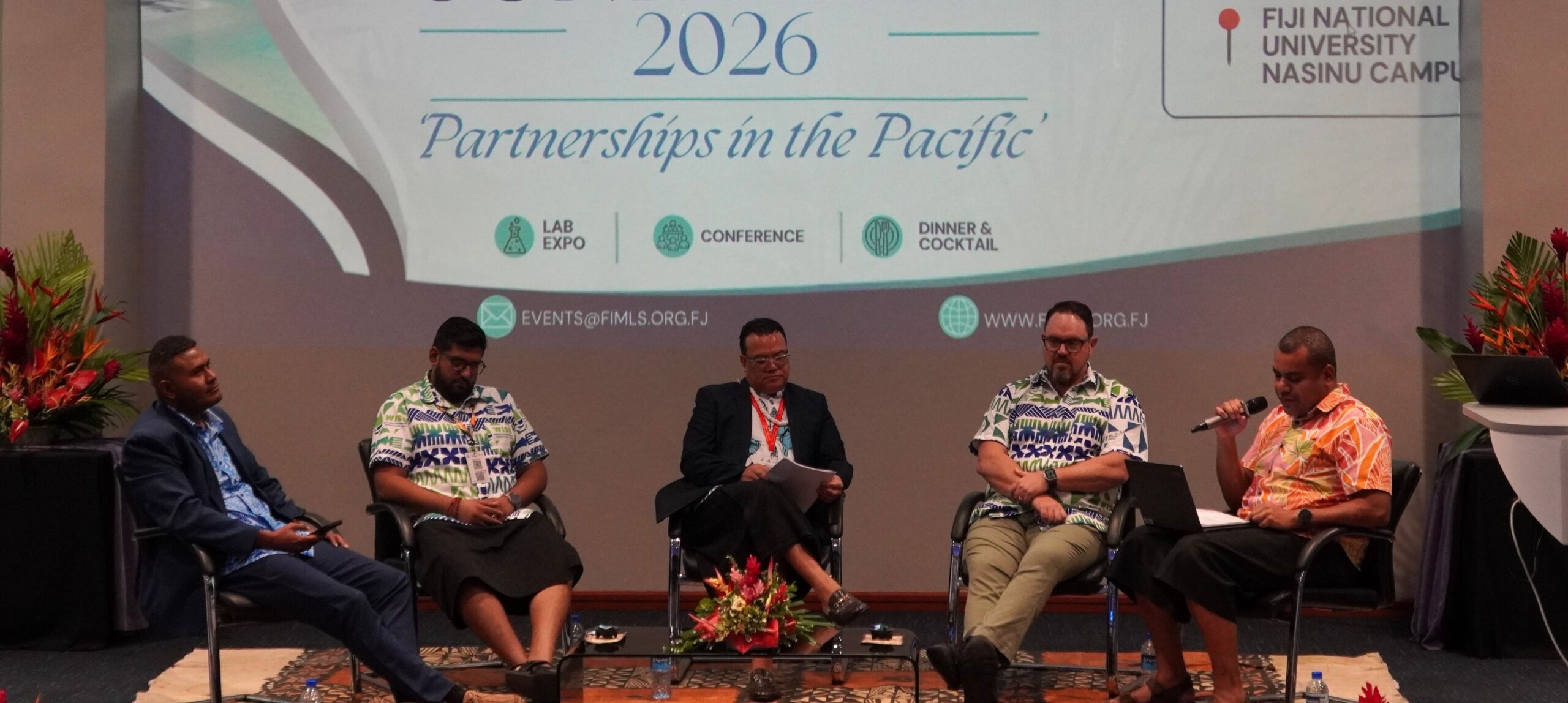
The Pulse of the Pacific: Interconnected Solutions for Planetary Health – How WISH, RISE, and REFLECT Unite Under the Banner of Tadra Vanua
Human health does not exist in a vacuum. It is inextricably linked to the vitality of the natural systems and local environments that sustain life. In the Pacific context, this concept is deeply rooted in indigenous knowledge systems, it is a direct reflection of the Vanua, the indivisible, interconnected web of land, sea, ecosystems, and…