
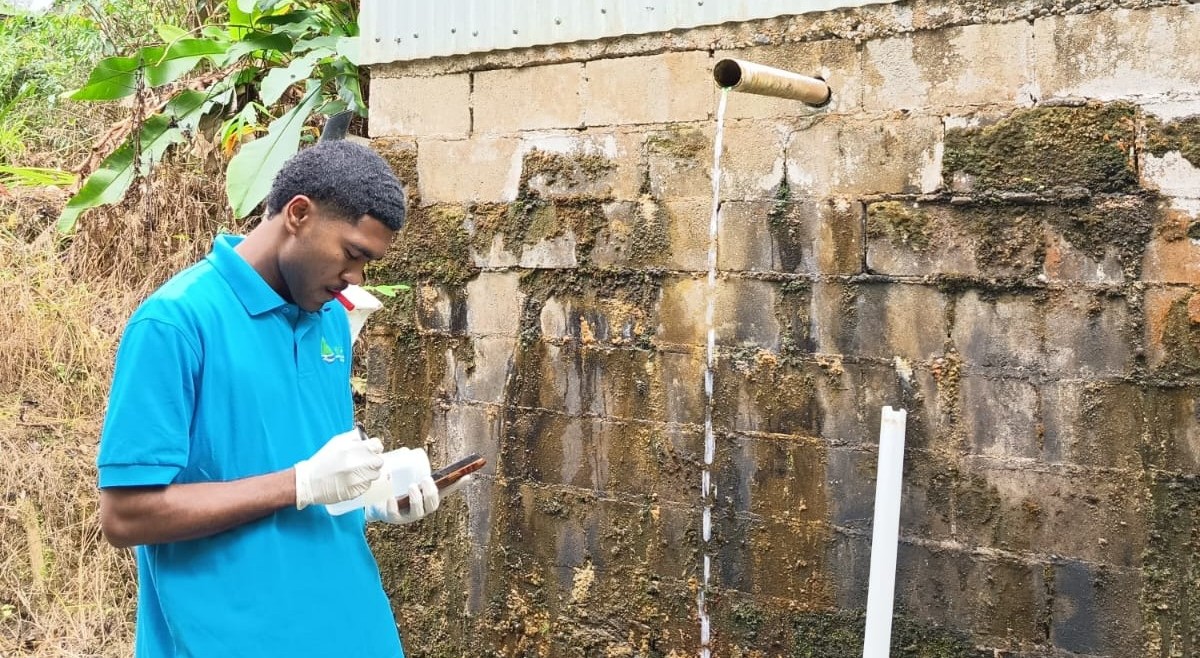
Following the Free, Prior, and Informed Consent (FPIC) process across 11 Mid-Rewa Watershed communities in Naitasiri, the WISH Pacific project launched its baseline survey in late July with full community support.
The survey explores how human-driven environmental changes impact community health, zeroing in on local concerns around Leptospirosis, Typhoid, Dengue, and Diarrhea (LTDD). This integrated approach directly advances Sustainable Development Goal 3: Good Health and Well-Being, specifically target 3.3 to end waterborne disease epidemics and target 3.9 to reduce illnesses from water contamination.
The urgency of this work is highlighted by Isimeli Cagica, Assistant Roko Tui at the Naitasiri Provincial Council Office, who emphasized that “Healthy communities start with safe water. We are assessing local water points and surrounding ecosystems to identify potential contamination hazards before they trigger outbreaks of preventable airborne waterborne diseases”.
His warning reinforces critical public health alerts from the Fiji Ministry of Health and Medical Services, which reported a sharp rise in Leptospirosis and Typhoid cases following heavy rainfall, flooding, and tropical cyclone activity in early 2026. With over 600 leptospirosis cases logged in the first quarter alone, alongside severe complications and fatalities linked to contaminated water and mud, health officials have repeatedly urged communities to boil drinking water, maintain strict hygiene, and safeguard local water sources.
To tackle these public health challenges, the baseline survey follows a three-step community approach:
- Field Sampling: The team gathers water samples straight from primary village sources.
- Laboratory Testing: Samples are analyzed to pinpoint exact contaminants and bacterial threats.
- Community Feedback: Findings are brought back to the villages through interactive sessions to discuss simple, practical ways to protect local drinking water.
- Moving Forward: Plan for interventions
By grounding ecological monitoring in local health priorities, the survey provides the empirical base needed to build resilient water and sanitation infrastructure, turning the broader commitments of SDG 3 into tangible, community-level protections across the Mid-Rewa watershed.